Federal Courts Intervene in Evanston Reparations Dispute
The Justice Department joins a lawsuit challenging the city's $25,000 housing grants, citing equal protection violations while advocates continue to expand similar programs nationally.
By Pedro Salazar ·
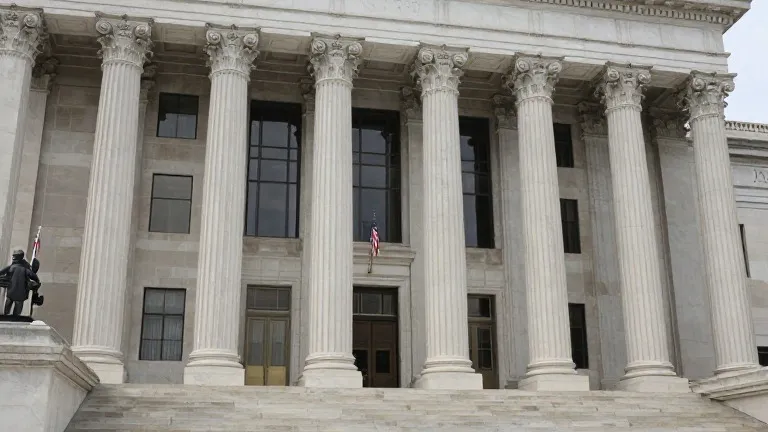
The Department of Justice has formally intervened in a federal lawsuit challenging Evanston, Illinois' $25,000 housing grant program for Black residents. This move adds federal weight to a legal battle that could determine the viability of race-based reparations programs in other American cities.
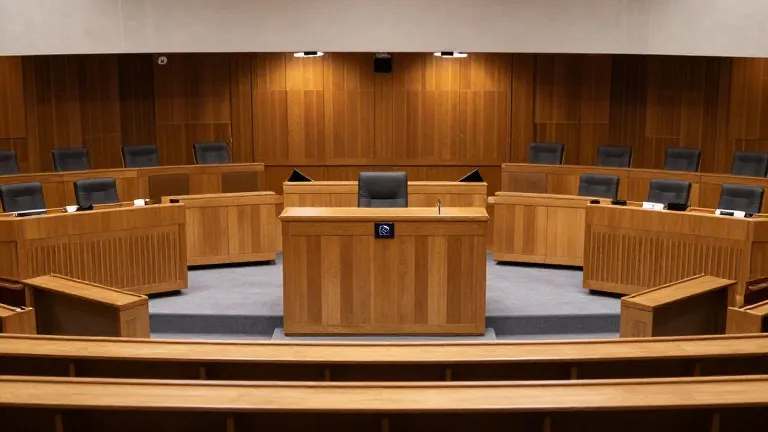
Justice Department spokeswoman Kiersten Pels stated that race-based government benefit programs are unconstitutional and frequently violate federal civil rights law. The department argues that Evanston's program violates the 14th Amendment's equal protection clause and the Fair Housing Act. A federal judge granted the department's request to join the case this month, placing the national government directly against the local initiative.
Judicial Watch, which filed the original suit, contends that the city distributes funds based solely on race without identifying specific historical harm. Michael Bekesha, the attorney representing the plaintiffs, argued that the Constitution prevents governments from selecting winners and losers based entirely on racial identity. The legal challenge follows a warning letter the department sent last year to officials in Asheville and Buncombe County, North Carolina, who were considering similar measures.
Advocates for reparations remain active despite the federal opposition. N'nanba, formerly Robin Rue Simmons, helped establish Evanston's program as the first municipal reparations effort in the country. She is currently assisting more than 100 other communities in implementing similar initiatives. Rue Simmons, who chairs the Evanston Reparations Committee and served as a city councilwoman, said the group still views federal redress as a primary goal despite the current administration's stance.
The federal push against these programs coincides with a global reassessment of the trans-Atlantic slave trade. In March, the United Nations General Assembly passed a resolution describing the trafficking of millions of Africans as the gravest crime against humanity. More than 120 countries supported the resolution, while the United States, Argentina, and Israel voted against it. The trade forced an estimated 12.5 million Africans onto ships, with roughly 388,000 arriving in the territory that is now the United States.
Higher education institutions are also adjusting their approaches. Georgetown University continues to offer admission consideration to descendants of enslaved people connected to its history. However, Richard Cellini, who led a Harvard project identifying nearly 500 living descendants, said new work across the sector has stalled following President Trump's January 2025 executive order on diversity, equity, and inclusion. William Darity, a co-author on reparations research, noted that no previous president had supported comprehensive Black reparations, adding that the current administration speaks on the topic with hostility.
Individual recipients continue to benefit from existing programs. Juan Woolfolk, 36, is using a $10,000 scholarship from Georgetown to study museum studies at Southern University in New Orleans. In Evanston, Joe Martin, 46, a flight attendant, received a grant. Martin described the program as a correction to historical promises that were not kept, noting that the government often resists when legitimate reparative measures are created.
The Virginia Theological Seminary also maintains an annual cash payment program for descendants of people who labored on its campus. The funding comes from an endowment that grew from $1.7 million to $2.8 million between 2019 and the present. These ongoing efforts continue as the federal legal challenge against Evanston proceeds through the court system.
Source: KSAT 12
More Politics · Georgetown news · Report a business · Got a Story?