Factory Closures Drive Vote Shift in Brazil's Presidential Runoff
Osasco, a former industrial hub, switched from Lula to Flávio Bolsonaro as service jobs replaced manufacturing, complicating the president's path to a second term.
By Luana Foster ·
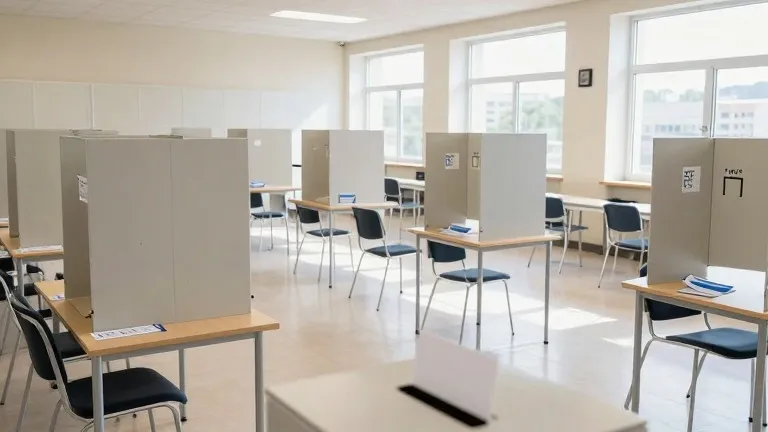
Brazilians cast ballots for their next president on Sunday, a race defined by a fundamental shift in how the country's workforce earns a living. The contest pits incumbent President Luiz Inácio Lula da Silva against right-wing challenger Flávio Bolsonaro. The outcome hinges on voters who have moved away from traditional industrial labor toward service-based employment.
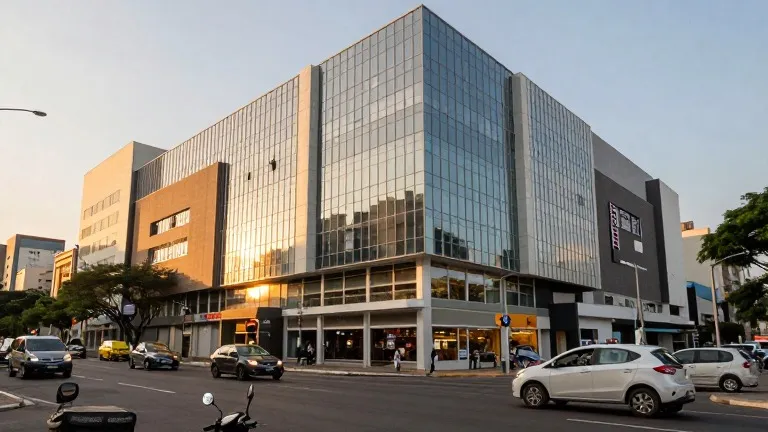
Osasco, a municipality in the state of São Paulo, illustrates this economic transition. Once known for its metal, chemical, and textile factories, the city is now nicknamed São Paulo's Silicon Valley due to its rise in shopping malls and delivery app companies. Gilberto Almazan, a metalworkers' union leader in the area, stated that the old industrial base has vanished. He noted that five malls were built in the space previously occupied by factories.
The city’s voting preference reflected this change. Osasco supported Lula in the 2022 election but shifted its support to Flávio Bolsonaro in the first round of this year's contest. Almazan described the traditional union movement that helped launch Lula's political career as outdated. He characterized the current workforce, which includes drivers, food couriers, and small traders, as experiencing what he called Uber-isation. These workers often prioritize flexibility and freedom over the collective welfare benefits Lula traditionally championed.
Richard Lapper, a biographer of both Lula and Jair Bolsonaro, observed that Brazil industrialized late and deindustrialized early. He described Lula as a victim of his own success, noting that while unemployment hit a record low and Brazil was removed from the UN's Hunger Map, many citizens feel a crisis of expectations. Inflation, household debt, and high interest rates have eroded the sense of progress for many voters. Robson, a 53-year-old civil servant and former Lula supporter, blamed the government's mismanagement for the heavy tax burden.
Flávio Bolsonaro has proposed cutting government spending, reducing the number of ministries, and lowering some taxes. He has stated he would retain certain of Lula's flagship welfare programs. Bolsonaro faces corruption accusations, which he denies. In the first round held this month, 33 million people did not vote, marking the highest abstention rate since 1998. Every first-round winner in Brazil since 1989 has gone on to become president, a statistical hurdle Lula must overcome.
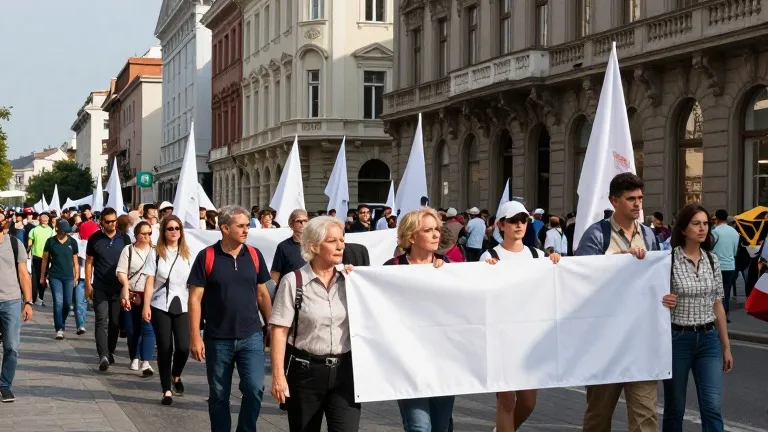
Lula's campaign is responding with large-scale mobilization efforts. Organizers reported that a rally in São Paulo drew approximately one million participants, a scene captured by aerial footage that spread widely online. The 80-year-old president has also used social media to counter perceptions that he is past his prime, referring to himself as the king of selfies. His campaign aims to energize the base that supported his first term.
Among Brazil's poorest residents, Lula's welfare record continues to carry weight. In Maré, one of Rio de Janeiro's largest favelas, abstention rates were above the national average, yet Lula still secured victory. Vitoria, an 18-year-old mother earning less than £300 a month, credited Lula with raising the minimum wage, implementing two days off for workers, and providing free essential medicines. She expressed concern over Bolsonaro's plan to designate the Comando Vermelho gang as a terrorist organization, citing police raids in Rio last year that killed more than 130 people.
Religious institutions are also playing a role in shaping voter sentiment. Evangelical churches, attended by about a quarter of Brazilians, are providing services such as childcare, employment advice, and food. Pastor Silas Malafaia, who is under investigation for allegedly obstructing the coup trial of Jair Bolsonaro, stated that Flávio Bolsonaro shares the church's values on family and opposition to abortion. Despite these alignments, the first round results suggested that many voters were rejecting Lula as much as they were endorsing his rival. Almazan fears that the political era of Lula is ending as the country's economic structure continues to change.
The runoff election will determine whether Lula can retain the presidency or if Flávio Bolsonaro will take office. The shift from industrial to service work has altered the political dynamics in key areas like Osasco. Voters are weighing Lula's social safety net against Bolsonaro's promises of fiscal discipline. The high number of abstentions indicates a significant portion of the electorate is undecided or disillusioned. The final tally will reveal whether the service sector's growing influence is enough to change the balance of power in Brasília.
Source: BBC News
More Politics · World news · Report a business · Got a Story?