Israel Election Leaves Netanyahu and Eisenkot Deadlocked at 61 Seats
Vote counting is ongoing in the first Israeli election since the October 7 attacks, with no clear path to a majority coalition for either leader.
By Luana Foster ·
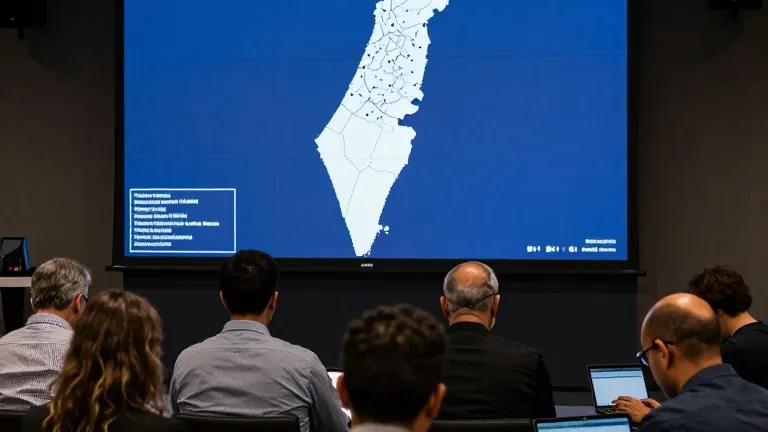
Israeli voters cast ballots yesterday in the first national election since the October 7 attacks, leaving the country in a political stalemate. No single party or alliance has secured the 61 seats required in the 120-member Knesset to form a government. The race between Prime Minister Benjamin Netanyahu and opposition leader Gadi Eisenkot remains too close to call as officials continue to count votes.
Eisenkot currently holds the support of a majority of lawmakers, largely due to a historically strong performance by Arab-led parties. These parties have pledged their support to Eisenkot. However, much of Eisenkot’s center-right camp has resisted forming a coalition with these Arab parties. This hesitation stems from widespread mistrust of Arab political leaders following the October 7 attacks, leaving both candidates without a clear route to a majority.
The outcome has shifted dramatically since voting closed. Early exit polls showed Eisenkot ahead, prompting celebrations at his campaign headquarters in Tel Aviv. Mayan Eshel, an Eisenkot supporter present at the event, expressed optimism that Israelis would wake to a new day of democracy. Overnight, the momentum reversed as Netanyahu pulled ahead in the counting. By morning, the gap had narrowed to a deadlock, leaving many Israelis confused and uncertain about the outcome.
Both candidates addressed their supporters in the early morning hours. Eisenkot delivered a speech that sounded like a victory declaration. He warned Netanyahu not to use Israel's security for political needs. Eisenkot specifically cautioned against launching an attack on Iran during this transitional period, a move Netanyahu has promised during his campaign. Netanyahu told his supporters he would attempt to form the next government. He stated that the country needs a strong right-wing government and that is the task at hand.
Election officials expect to finish counting all votes by tomorrow afternoon. Once the final results are in, the candidate who leads will receive the first opportunity to form a governing coalition. That leader will have six weeks to assemble a majority. Both Netanyahu and Eisenkot will likely spend this period attempting to attract defectors from the opposing camp to secure the necessary 61 seats. The next several weeks will be defined by these coalition-building efforts as Israel waits for its next prime minister.
Source: WUWF