Tesla Sets 2027 Date for FSD in Robotaxi Zones Only
Tesla confirmed that unsupervised driving in customer vehicles will launch in mid-2027, but only within specific geofenced areas operated by the company.
By Victoria Singh ·
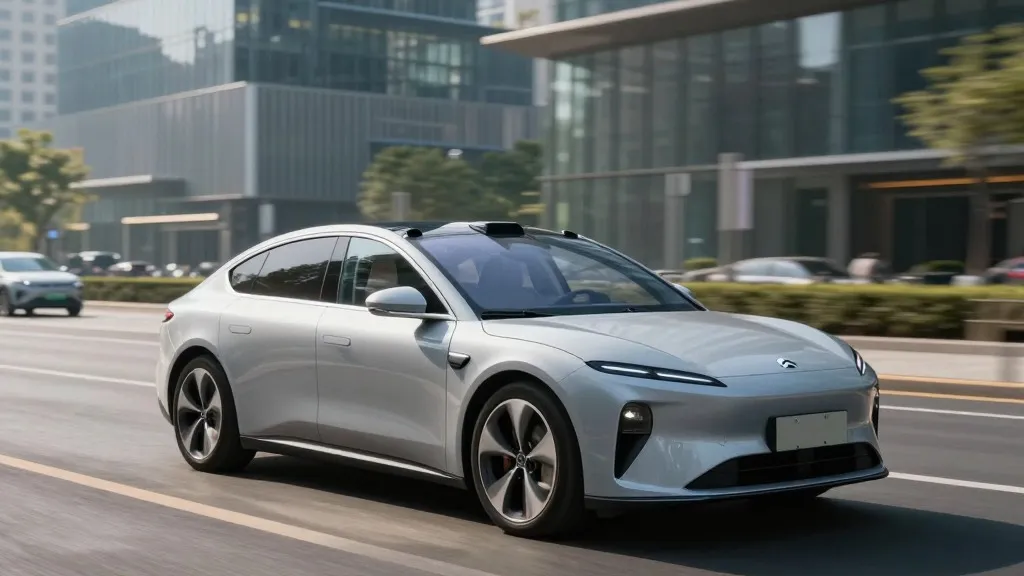
Tesla has officially pinned a date for the next major phase of its autonomous driving ambitions, stating that unsupervised Full Self-Driving capability will arrive in the second quarter of 2027. This update was revealed during the company’s third-quarter 2026 earnings call, providing a specific timeline for a feature that has been discussed for nearly a decade. However, the announcement comes with significant limitations regarding where and how the technology will function for individual owners.
The financial and operational details of the rollout paint a picture of a more contained launch than many investors had hoped. According to the company’s latest results, the Robotaxi fleet has accumulated nearly two million unsupervised miles by the end of the third quarter. This metric was recorded just one month after the Cybercab model joined the operations in Austin. While the mileage is growing, the scale of the fleet remains modest compared to earlier projections.
AI chief Ashok Elluswamy explained the mechanics of this new phase to shareholders. He clarified that the initial step does not involve a simple software update that allows owners to drive anywhere without supervision. Instead, the process involves owners integrating their personal vehicles into Tesla’s managed Robotaxi network. In this model, Tesla retains control over the operation, meaning the car can only drive itself unsupervised within the boundaries of the existing Robotaxi service areas.
Currently, these service areas are limited to six major metropolitan areas in the United States. The geographic coverage is often quite narrow. For instance, the service zone in Miami primarily covers West Miami and a specific corridor toward Doral and Sweetwater. Similar small geofences were established in Orlando and Tampa in July. Within these designated zones, the vehicles generally avoid highways and complex urban environments, sticking to lower-speed routes.
The regulatory landscape also plays a role in these limitations. In the Bay Area, the service is not yet fully unsupervised because California regulations require a safety driver in every vehicle. Tesla has chosen not to release certain data to the California DMV to avoid the requirements associated with a level 2 autonomous system. This decision keeps the company in a specific testing category alongside 23 other firms, while five other companies hold permits for driverless testing and three for driverless deployment.
Retail shareholders have been actively engaging with the company on this topic. A question regarding the timeline for unsupervised FSD in customer cars was submitted by a group representing approximately 1.1 million shares. This inquiry highlighted the gap between the original marketing pitch and the current product reality. For years, the promise to buyers was that a software update would eventually allow their cars to drive themselves anywhere.
Elon Musk has previously provided different timelines for this milestone. In July 2025, he suggested that unsupervised personal use would be available in certain geographies by the end of that year. A year prior, he expressed surprise if the technology was not ready the following year. However, owners of vehicles with the HW3 computer have been informed that their hardware cannot support unsupervised FSD, and no clear upgrade path has been provided.
The current plan represents a shift in the goalpost for consumers. Rather than a car that can drive to any destination, the product is now defined as a vehicle that can participate in Tesla’s fleet within specific zones. The company cites safety as the primary bottleneck, with Elluswamy noting that they are limiting operations to environments where safety can be more easily managed. He anticipates that these safety issues will be resolved by next year, but the precise timing remains a subject of estimation rather than certainty.
Competitors like Waymo have already established a presence in several of these cities, including Orlando and Tampa, prior to Tesla’s entry. Waymo has logged over three million miles of autonomous driving. As Tesla moves toward its 2027 target, the focus remains on expanding the Robotaxi zones and refining the safety metrics that currently dictate the scope of the unsupervised driving experience.
Source: Electrek · original report published