Tens of thousands: Ukraine scrambles for backup after Starlink service gaps
Reliance on a single commercial satellite provider is forcing Ukraine and its European allies to urgently seek alternatives as recent outages expose critical vulnerabilities in the war effort.
By Pedro Salazar ·
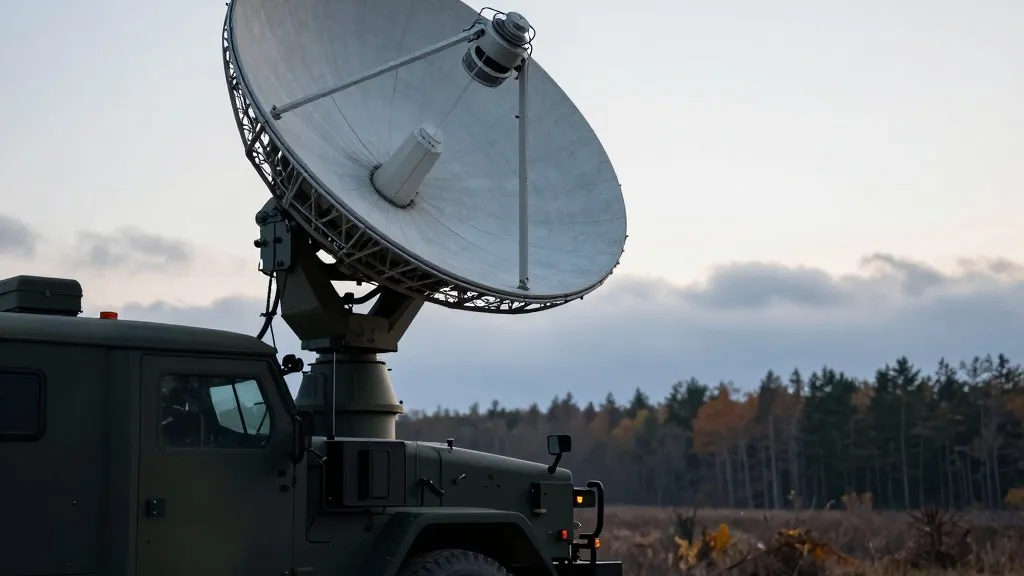
The latest unexpected disruptions to Starlink service in Ukraine have forced a immediate re-evaluation of how the country sustains its digital lifeline. These recent outages highlight a growing anxiety in Kyiv and across Europe regarding the reliability of the world’s largest communications satellite network. As the service becomes less predictable, military and civilian leaders are now grappling with the urgent task of planning for a future that may not rely on Elon Musk’s infrastructure.
For years, Starlink has been the backbone of Ukraine’s resistance against Russia’s full-scale invasion. The system provides high-speed internet and data streams to any user or vehicle equipped with a compact terminal. This connectivity is vital for maintaining civilian communications and supporting complex military operations. Crucially, it allows the Ukrainian military to remotely control drones for air defense and to strike Russian targets, making the network a central pillar of their strategic advantage.
However, the service’s dominance is now being tested by political dynamics and technical limitations. While Starlink currently offers some of the best satellite coverage available, it faces virtually no competition when considering cost, availability, and ease of use. A hardware R&D head at the Ukrainian defense company BlueBird Tech noted that the primary practical limitation remains the need to position the antenna correctly to receive signals from the satellites. This representative provided comments anonymously for security reasons, underscoring the sensitive nature of the ongoing dependency.
To mitigate risk, the US government and European nations, including Poland and Germany, have already invested significantly in the system. These countries have paid SpaceX for tens of thousands of commercial Starlink terminals to be delivered to Ukraine, while also covering the associated subscription fees. This substantial financial commitment reflects the critical importance placed on maintaining uninterrupted communication links for both the front lines and the home front.
Beyond commercial terminals, Ukraine has gained access to a more robust option through Starshield, a military-grade version of the service. The US government has granted the Ukrainian military access to this enhanced network. Additionally, Ukrainian defense companies are permitted to test their own technologies in cooperation with the military using this platform. This dual-track approach aims to ensure that even if commercial service falters, a hardened military alternative remains available.
Despite these measures, the recent service gaps have raised open questions about long-term strategy. The combination of Musk’s political inclinations and the technical challenges of satellite coverage has made the system increasingly unreliable in the eyes of some stakeholders. As the war enters a new phase, the focus is shifting from simply maintaining the current setup to actively developing resilient alternatives that can withstand future disruptions.
The situation serves as a stark reminder of the risks involved in relying on a single commercial entity for critical national security infrastructure. While Starlink has proven invaluable, the recent events suggest that Ukraine and its allies must continue to diversify their communication capabilities. The path forward will likely involve a blend of existing satellite assets, new partnerships, and domestic innovations to ensure that the digital bridge between command and control remains intact.
Source: Ars Technica · original report published