Regulators Propose Cyan Lights for Driverless Cars
The NHTSA seeks to standardize blue-green indicator lamps to help other road users identify autonomous vehicles.
By Pedro Salazar ·
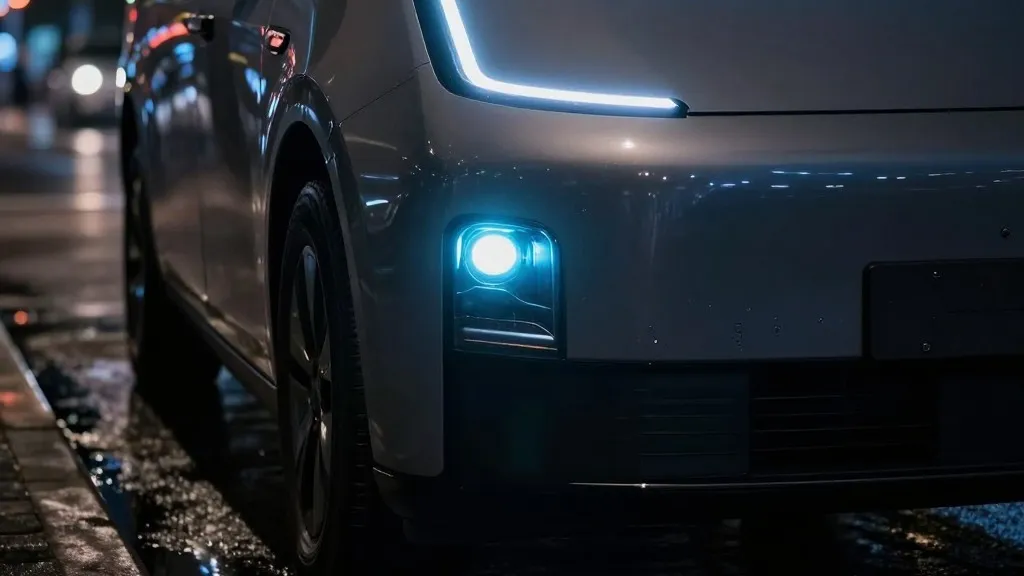
Federal regulators have formally proposed that driverless vehicles display a distinct cyan-colored light to indicate that an automated driving system is in control, ending years of industry debate over how such cars should signal their status to the public. The National Highway Traffic Safety Administration (NHTSA) released these changes as part of a broader rewrite of Federal Motor Vehicle Safety Standard No. 108, aiming to align federal regulations with the realities of autonomous mobility while reducing bureaucratic hurdles for manufacturers.
The proposal specifically targets the visual communication between robotaxis and other road users. Under the current regulatory framework, manufacturers have experimented with various methods, including flashing text displays, audio alerts, and custom lighting sequences, to signal that no human is at the wheel. The NHTSA’s new rule seeks to replace this fragmented approach with a single, standardized visual cue: a blue-green marker lamp. The agency argues that this specific color fills a critical gap in the existing spectrum of vehicle lighting, which is already dominated by red for braking, amber for turn signals, white for headlights, and flashing blue or red for emergency vehicles.
By selecting cyan, regulators aim to ensure that law enforcement officers and other drivers can instantly recognize when a vehicle is operating autonomously. The color is distinct enough to avoid confusion with standard traffic signals while remaining visible in various lighting conditions. This standardization is intended to create a uniform language for all autonomous vehicles, regardless of the manufacturer or service provider, thereby reducing cognitive load for human drivers sharing the road with robotaxis.
The proposed rule would make cyan marker lights optional for automakers, rather than mandatory for every autonomous vehicle. However, by establishing official federal standards for the light’s color, brightness, and physical location on the vehicle, the NHTSA intends to prevent a confusing array of different colors and signal patterns from emerging. If manufacturers choose to implement these lights, they must adhere to the new federal specifications, ensuring a consistent and legally compliant setup across the industry.
There is precedent for this type of visual signaling at the state level. Mercedes-Benz previously received state-level approval to use turquoise lights on its Level 3 Drive Pilot vehicles. Although the automaker later moved away from that specific plan in favor of a Level 2++ system, the NHTSA views this as a useful reference point. The agency aims to set a national standard that companies like Waymo, Nuro, and Zoox, as well as traditional automakers such as GM and Mercedes-Benz, can adopt uniformly, creating a cohesive regulatory environment for the growing autonomous vehicle sector.
Alongside the new lighting requirements, the NHTSA is proposing to remove several legacy regulations that do not apply to vehicles without human drivers. Current rules require the presence of physical hazard switches, manual beam shifters, and turn levers inside the cabin. The agency proposes to eliminate these requirements, recognizing that they are unnecessary for fully autonomous designs. Additionally, the rule would update the 12.8-volt testing standard to accommodate modern LED architectures, allowing manufacturers to build with contemporary technology without navigating outdated administrative procedures.
The agency is also considering removing specific requirements regarding the vertical placement of high-beam and low-beam lights. These changes are part of a broader Department of Transportation initiative to streamline the deployment of autonomous vehicles. By removing mandates for traditional controls like steering wheels and pedals, the government aims to make it easier for automakers to design vehicles optimized for automated operation rather than human operation.
Despite these efforts to modernize regulations, the NHTSA is simultaneously enforcing existing rules strictly. Last month, the agency opened an audit query into the Tesla Cybercab to examine the technical data and processes Tesla relied on when certifying the vehicle. The inquiry focuses on the absence of specific design features required under current Federal Motor Vehicle Safety Standards, including sideview mirrors, pedals, and a steering wheel. This dual approach of proposing new standards while auditing existing ones underscores the regulatory transition underway as the industry moves toward fully autonomous fleets.
Source: The Verge · original report published