Cybercab deliveries set for 2026 close
Tesla will start handing over its autonomous robotaxis to private buyers before 2026 ends, but only a small number will be released.
By Pedro Salazar ·
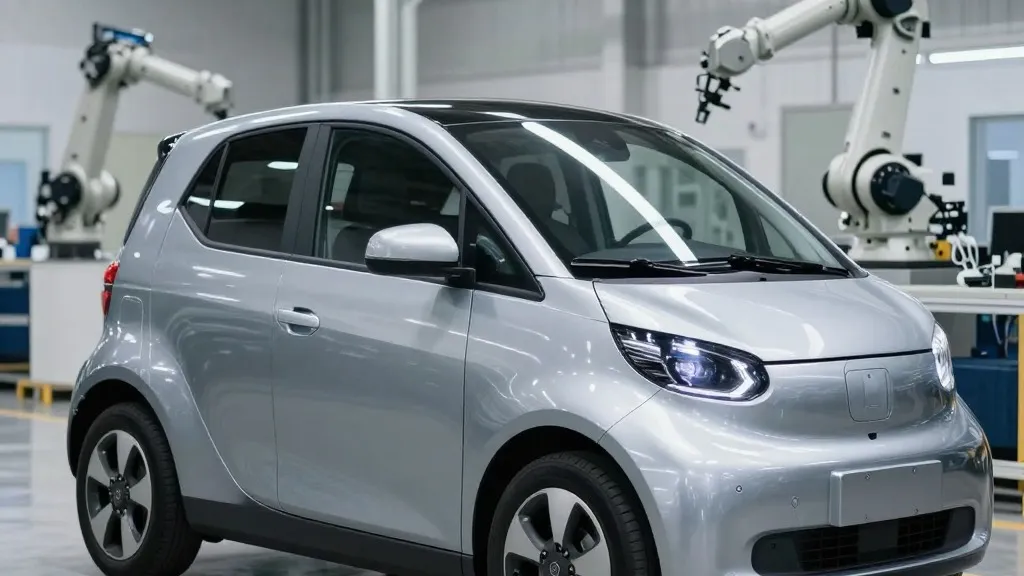
Tesla is aiming to start selling its new Cybercab to customers before the end of 2026, a timeline confirmed by a company executive this week.
During the company's third-quarter earnings call on October 21, Vice President of Engineering Lars Moravy stated that Tesla is attempting to get Cybercabs to customers by the end of the year. Production is currently underway on the line at Gigafactory Texas. However, Moravy noted that all units produced at this stage are currently being allocated to Tesla's own internal Robotaxi fleet rather than to private buyers.
As operations scale, the company plans to deliver fully designed autonomous vehicles to customers, with the Cybercab being the first such vehicle. Moravy said initial customer deliveries will start small while the company gains experience with delivery logistics, ownership models, fleet management, and operating autonomous vehicles outside its direct control.
CEO Elon Musk characterized the Cybercab primarily as a 'transport-as-a-service' offering rather than a personal ownership vehicle like the Model 3, Model Y, or upcoming Roadster. 'The vast majority of the Cybercab stuff will be Tesla-owned and transport-as-a-service,' Musk said. The Cybercab is a two-seater vehicle developed by Tesla without a steering wheel or pedals, relying completely on Tesla's Full Self-Driving suite. Production began in February, and early units entered the Robotaxi service in early September. Tesla has previously indicated an aim to sell Cybercabs for about $30,000.
While the vehicle is designed for autonomous operation, unsupervised Full Self-Driving is not yet available for consumer vehicles. Ashok Elluswamy, Tesla's Head of AI, indicated during the call that unsupervised Full Self-Driving is expected to ship to consumer cars during the second quarter of 2027.
Consequently, early buyers or fleet operators may receive vehicles whose autonomous operation remains geographically restricted due to lagging regulatory agencies. There are some hurdles that remain ahead of Cybercab deliveries.
Despite the confirmation of a year-end target, significant questions remain regarding how many units will actually be released to customers versus the internal fleet. The specific geographic regions where these initial vehicles will be permitted to operate autonomously also remains subject to regulatory approval.
Source: Teslarati · original report published