Chapel Hill Jury Seeks DNA Reports in Faith Hedgepeth Case
Jurors in the 14-year-old murder trial of Miguel Salguero Olivares paused deliberations to review forensic evidence summaries on the first day.
By Victoria Singh ·
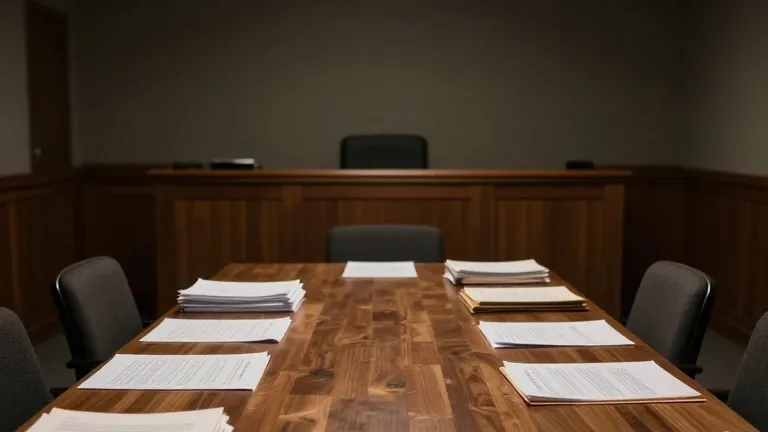
The jury in the murder trial of Miguel Salguero Olivares has requested specific forensic data after their first day of deliberations ended without a verdict. Closing arguments concluded on Thursday afternoon, and the panel began weighing the evidence against the 2012 death of Faith Hedgepeth, a sophomore at UNC-Chapel Hill. Jurors were sent home shortly after 5 p.m. Thursday and are scheduled to return on Friday morning.
Before adjourning for the day, the panel asked for summaries of the latent fingerprint and DNA reports introduced during the trial. Irving Joyner, a law professor at North Carolina Central University, said the request indicates the jurors are focusing on the biological evidence. He noted that the DNA is the only evidence presented by the state in the case. "And as it should be, because that is the only evidence that the state has in this case," Joyner said. He added that the jurors "went right to the heart of the matter."
Prosecutors argued that the forensic evidence overwhelmingly links Olivares to the crime. The state alleged that Olivares broke into Hedgepeth's apartment, sexually assaulted her, and beat her to death. The defense offered a different account, arguing that the two may have engaged in consensual sex. Defense attorney Jason Murphy pointed out that male DNA can remain in a woman's body for several days. He also urged the jury to consider whether investigators had tunnel vision and missed other leads.
Joyner expects the panel to continue scrutinizing the DNA results. "Without DNA, the state would have nothing. So, if that is undermined, the state's prosecution is undermined," he said. He described the task as complex and predicted the jurors would not rush to a decision. He also assessed the tone of the closing arguments, noting that the defense maintained a calmer demeanor while attacking the certainty of the evidence. In his view, the prosecution, which included two women, leveraged the emotional weight of the case and the presence of nine women on the jury panel.
A new element emerged during closing arguments when prosecutors introduced a theory of motive for the first time. The state alleged that Olivares became upset and embarrassed after Hedgepeth rejected his advances outside her apartment. According to the prosecution, Hedgepeth had just returned from a night out with her roommate. Joyner questioned why this theory was raised so late in the process. "That's the big question mark," he said. He added that based on the evidence heard, the theory "is not supported by any of the evidence that was presented," and no witnesses testified to it.
Given the severity of the charges and the questions raised by the defense, Joyner expects deliberations to continue past Friday. "I think they will take their time," he said. He noted that twelve people must work through the evidence and reach an agreement, a process that might take some time.
Source: ABC11 WTVD
More News · Chapel Hill news · Report a business · Got a Story?