SpaceX Falcon 9 Launches 27 Starlink Satellites From Vandenberg
The 116th flight of 2026 marks a widening gap between Starlink missions as development shifts toward the Starship rocket.
By Pedro Salazar ·
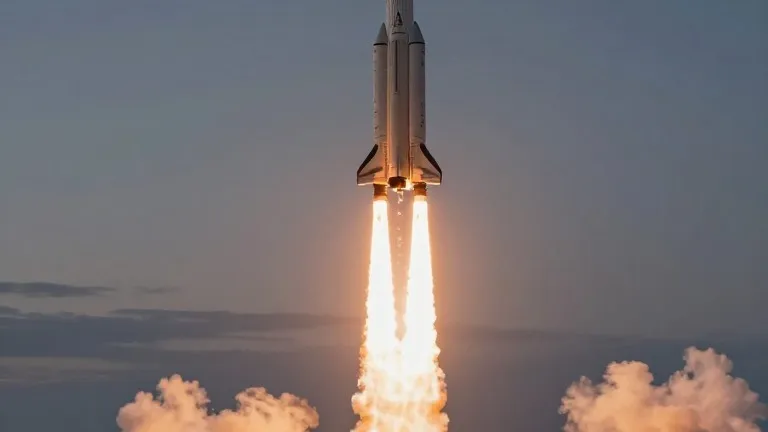
SpaceX launched 27 Starlink Group 15-15 satellites from Vandenberg Space Force Base at 3:48 p.m. local time on Oct. 23. The Falcon 9 rocket lifted off from Pad 4E, marking the 116th flight of the vehicle in 2026.
The first stage booster, designated B1063, separated from the upper stage 2.5 minutes after liftoff. It reoriented for descent and landed on the droneship "Of Course I Still Love You" roughly 20 seconds after initiating its landing burn. This marked the 36th launch and landing for the booster, which also carried NASA's DART mission in November 2021.
The two-piece payload fairing was jettisoned just before the three-minute mark. The upper stage completed its first burn shortly after the booster landed. It then coasted for approximately 45 minutes before a second orbital insertion burn. Deployment of the 27 satellites into low Earth orbit was scheduled to begin 62 minutes after liftoff.
The launch brings the total number of active Starlink spacecraft to more than 11,000. However, the frequency of these missions has decreased as SpaceX prioritizes development of the Starship rocket. Starship is designed for full reusability and can carry larger Version 3 Starlink satellites that do not fit in the Falcon 9 payload bay.
Once Starship operations begin, SpaceX plans to retire most Falcon 9 and Falcon Heavy flights. The final Falcon 9 Starlink mission from Cape Canaveral has already flown, and West Coast launches may follow a similar trajectory. At their peak, Starlink missions launched every two to three days.
The gap between the most recent Starlink launches has widened to 11 days. The previous launch, which occurred 11 days before Oct. 23, was itself the first in more than three weeks. In 2025, Falcon 9 completed 165 launches, a record that is expected to stand. The current pace suggests the rocket will complete just under 150 missions in 2026.
Source: Space.com