SpaceX declines military contracts as European rocket nears readiness
The launch industry is shifting gears as SpaceX turns down US Space Force deals and a Spanish startup prepares its first orbital attempt.
By Luana Foster ·
The commercial space sector is undergoing a significant strategic pivot this week, marked by major decisions from both the dominant private player and emerging European competitors. These developments highlight a growing tension between military requirements and commercial autonomy, alongside the maturation of new launch capabilities outside of North America.
In a surprising move that caught industry observers off guard, SpaceX has declined three launch contracts offered by the US Space Force. This decision represents a notable departure from the company's typical approach to government work, suggesting a recalibration of its priorities. By turning down these military opportunities, the company may be signaling a shift in its operational focus or a desire to maintain specific scheduling flexibility for its commercial fleet.
On the civil space side, new data has emerged regarding the technical challenges of deep space exploration. A NASA safety panel indicated that SpaceX’s Starship vehicle might require as many as 22 in-orbit refueling stops to support a lunar landing mission. This figure underscores the immense complexity of the propellant logistics required for the vehicle to reach the moon, raising questions about the efficiency and feasibility of the planned architecture.
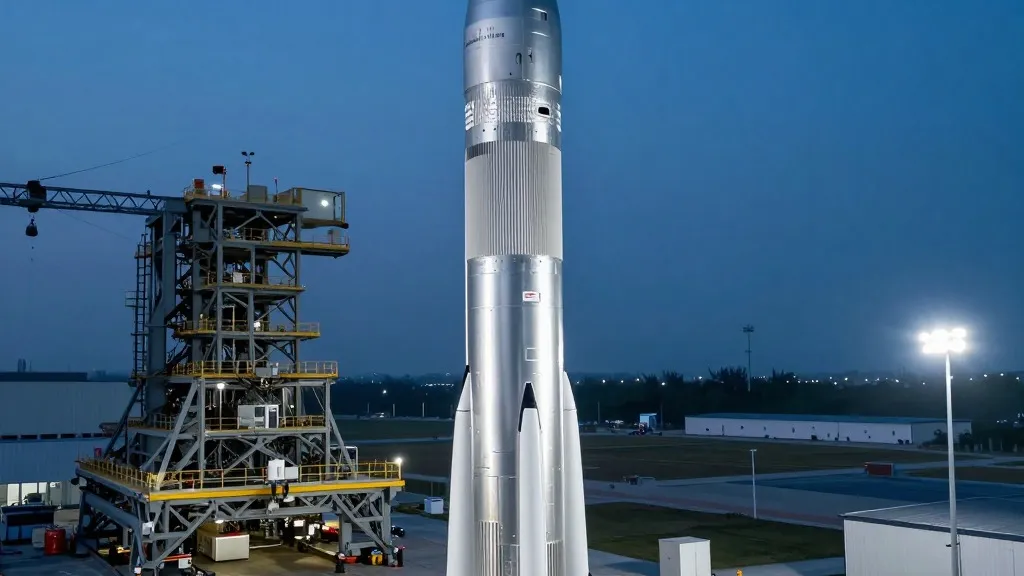
Meanwhile, in Europe, Spanish launch company PLD Space is moving closer to its maiden orbital flight. The company reported that its Miura 5 rocket is nearing final integration for its inaugural launch, which is now targeted for sometime before mid-2027. CEO Raúl Torres noted that the production of three Miura 5 vehicles has allowed the team to continuously apply lessons learned from qualification campaigns directly to the launch vehicle, streamlining the development process.
Specific progress on the Miura 5 includes the full integration of one second stage, which is currently undergoing system-level testing under representative operating conditions at PLD’s facility in Teruel. This stage is part of a qualification campaign that includes a wet dress rehearsal and a static hot-fire test. These tests are critical for validating the rocket's performance before it is cleared for an actual launch attempt next year.
Across the Atlantic, Canadian startup Reaction Dynamics is also making headlines with its funding and expansion plans. The company is seeking to raise $350 million to grow its workforce from 68 to over 350 employees. This capital will support the development of its small-lift Aurora rocket, which is slated to reach orbit in 2028, as well as the design of a medium-lift vehicle called Borealis, targeted for a debut by 2031.
These concurrent events illustrate the diverse paths being taken by launch providers globally. While SpaceX navigates its relationship with the US military and complex lunar engineering, new entrants like PLD Space and Reaction Dynamics are accelerating their timelines to establish a foothold in the increasingly crowded orbital market.
Source: Ars Technica · original report published