Nvidia executive's playful demo sparks massive rush for tiny duck robots
Preorders for the Microduck robots have exceeded twenty thousand units following a viral keynote demonstration at a recent industry conference.
By Luana Foster ·
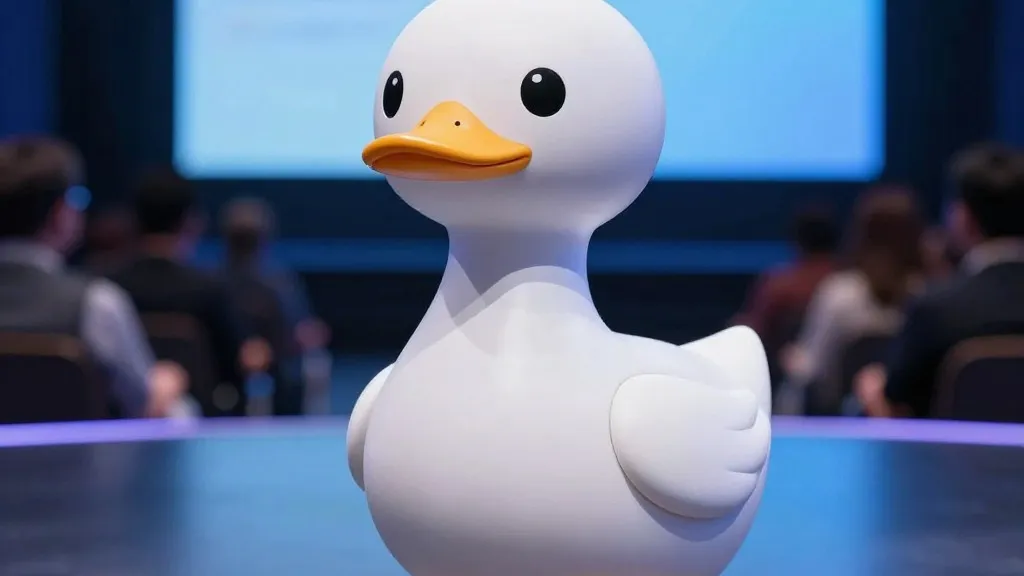
The demand for a new line of miniature robotic ducks has surged dramatically in the days following a high-profile technology conference in Berlin. Preorder counts for the Microduck robots have now passed the twenty-thousand mark, a milestone that signals a strong start for the product before its official holiday release. This rapid uptake places the device in a favorable position to become a standout item in the upcoming retail season.
The surge in interest can be traced back to a specific moment during the GTC Berlin conference earlier this week. Jensen Huang, the chief executive officer of Nvidia, was seen interacting with a group of the robots during his keynote address. The footage quickly circulated across social media platforms, capturing the attention of a broad audience. The robots were shown performing various actions, including waddling, sitting, and falling over in a simulated nap. They also responded to voice commands by executing somersaults, all while emitting small mechanical sounds reminiscent of a well-known fictional droid.
The timeline of this development moved with unusual speed. By the day after the conference, the preorder numbers had already broken through the twenty-thousand threshold. Clem Delangue, a figure associated with Hugging Face, confirmed these figures via a public social media post. This quick reaction from consumers suggests that the product has generated significant buzz well ahead of its expected delivery window.
Manufacturers and industry observers are now looking toward the holiday season as the primary target for these devices. The robots are scheduled to be delivered to customers in time for Christmas. Given the current momentum, there is a strong possibility that the Microduck will emerge as the best-selling robot of the year. Notably, marketing materials indicate that the product is not exclusively aimed at children. Promotional videos feature adults engaging with the robots, suggesting a broader consumer base that may value the novelty and interactive nature of the device.
The corporate lineage of the Microduck adds another layer to its current popularity. The device is an open-source product created by Pollen Robotics. In 2025, Pollen Robotics was acquired by Hugging Face. Subsequently, in September of this year, Nvidia completed its acquisition of Hugging Face. Consequently, the Microduck is now part of the Nvidia portfolio. This is the second robotic product from Hugging Face, following the earlier release of the Reachy Mini, which also received positive attention for its design.
The technology behind the Microduck relies heavily on Nvidia's existing software infrastructure. The robots were trained using Nvidia's technology stack, which involved simulating their movements in a digital environment. These simulations taught the devices basic maneuvers such as walking, sitting, and standing. These pre-programmed tricks are included in the standard shipping package. Additionally, Pollen Robotics has indicated that owners will have the ability to teach their individual robots new behaviors. These custom tricks can then be shared with the wider user community, fostering an interactive ecosystem around the product.
The release of the Microduck comes at a time when the artificial intelligence industry has been facing significant scrutiny. Earlier this week, the sector was the subject of intense criticism, with AI involvement being cited as a factor in a series of cyberattacks. This period of tension provided a sharp contrast to the lighthearted nature of the robot demonstration. The viral video of the ducks offered a moment of levity for an industry that had been dealing with more serious operational challenges.
The combination of technical innovation and aesthetic appeal appears to have resonated strongly with the public. The visual charm of the robots, paired with their interactive capabilities, has created a compelling narrative for potential buyers. As the holiday season approaches, the focus will shift to whether the supply chain can keep pace with the current level of demand. The success of the Microduck will serve as an important indicator for the viability of consumer robotics in the broader market.
For now, the story remains one of rapid adoption and widespread curiosity. The transition from a conference demo to a top-selling preorder item in a matter of days highlights the power of viral marketing in the tech sector. As deliveries begin to arrive, consumer reviews and community-shared tricks will likely shape the next phase of the product's life. The Microduck has entered the conversation as a serious contender for the most popular toy of the year.
Source: TechCrunch · original report published