NOAA Warns of Warmer, Wetter Winter Driven by Strong El Nino
Forecasters predict above-average precipitation and temperatures across most of the U.S., with specific regional risks for flooding and drought relief.
By Pedro Salazar ·
The National Oceanic and Atmospheric Administration projects a winter of warmer-than-average temperatures and above-average precipitation for much of the continental United States. Ken Graham, director of the National Weather Service, described the current climate event as a strong El Nino that is altering global weather patterns. Graham stated at an October media briefing that the agency is preparing for a historic shift in conditions.
El Nino is a recurring climate pattern originating in the tropical Pacific. Every few years, warm water expands near the equator, releasing heat into the atmosphere and disrupting normal weather systems. Josh Willis, a climate scientist at NASA's Jet Propulsion Laboratory, referred to the current event as a Godzilla-sized anomaly. He credited colleague Bill Patzert with coining the term to describe the phenomenon's scale and impact.
Willis explained that the warm water acts like a monster stretching across the ocean. He noted that the pattern brings severe drought and wildfires to Indonesia and Southeast Asia while kicking up storms and high tides on the Pacific coast. This El Nino is occurring alongside long-term warming from fossil fuel emissions, which trap additional heat in the atmosphere.
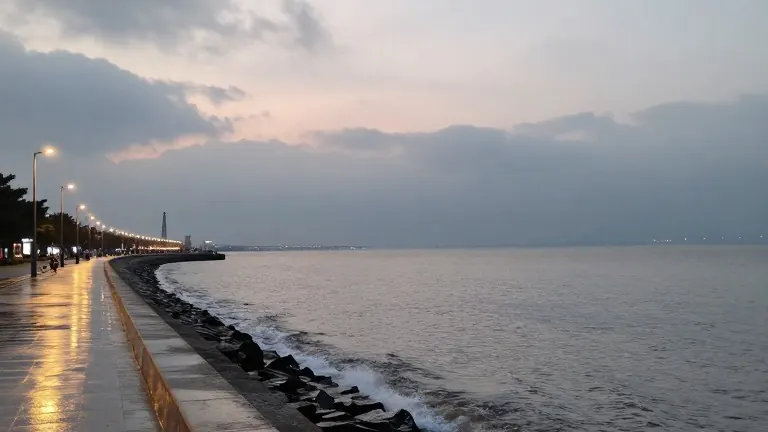
On the West Coast, forecasters expect warmer temperatures in Northern California and higher precipitation in the south. A Kelvin wave, a band of warm water, raised sea levels in early October. This wave contributed to coastal flooding associated with Tropical Storm Rachel. Dillon Amaya, an assistant professor of atmospheric sciences at North Carolina State University, said these waves increase the likelihood of flooding by loading the dice. Another wave was positioned between Los Angeles and San Francisco in late October.
The Pacific Northwest will likely see warmer temperatures but below-average rain. Without colder weather to create deep snowpack, reservoirs may receive less sustained water flow. Jon Gottschalck, a branch chief at NOAA, said drought conditions in western Oregon and Western Washington may improve. However, dry forests and parched soils continue to raise the risk of severe wildfires in the region.
The Southwest has already experienced extreme weather. Severe flooding in the Four Corners region forced rooftop rescues and evacuations in late October. Daniel Swain, a climate scientist at the University of California Agriculture and Natural Resources, attributed the heavy storms to moisture from record-warm ocean waters. He noted that while the rain helps, it does not solve the Colorado River basin's long-term water crisis. Swain said the volume of water needed to refill Lake Powell and Lake Mead is difficult to comprehend.
The Northeast and Mid-Atlantic are forecast for warmer temperatures and above-average precipitation. El Nino conditions can strengthen nor'easters, pushing warm, moist air north and causing coastal erosion. Forecasters expect flooding levels similar to the record-setting 2013 El Nino event. Graham noted that while winter may be milder, the risk of snow remains. During the 2016 El Nino, a blizzard dropped more than 30 inches of snow on the Northeast.
The southern United States has the highest probability of above-average precipitation. NOAA predicts snow in northern Texas, an area that rarely sees winter snow. Florida is preparing for heavy rains, particularly in the north, following a quiet hurricane season that produced only one named storm. Tornado risk remains higher during El Nino years, as seen in 1998 when Central Florida suffered one of its deadliest outbreaks.
In the Midwest, the Upper Midwest is expected to have a smaller snowpack due to warmer temperatures. Michigan, Ohio, and Indiana tend to be drier during these winters, while Iowa tends to be wetter. Gottschalck said existing drought conditions across the Midwest are expected to persist. Forecasters caution that while El Nino shifts the odds toward certain conditions, it does not guarantee specific outcomes.
Source: WFAE