New $1.2 Billion Firm Sets Out to Engineer Superior War Dogs
Warhound has emerged from stealth with $200 million in funding to create genetically optimized dogs for military and police use, aiming to reduce reliance on foreign breeding programs.
By Victoria Singh ·
For the first time, a private company is preparing to deliver genetically engineered dogs to the U.S. military and law enforcement. Warhound, a startup backed by $200 million in new funding, has exited stealth mode with a mission to breed animals specifically for dangerous tasks like bomb detection and search operations. The company values itself at $1.2 billion after raising capital from investors including Sequoia, 8VC, Corner Ventures, and In-Q-Tel, a venture firm supported by U.S. intelligence agencies. This move signals a shift in how the nation sources its critical working animals.
The push for domestic production stems from a growing concern over supply chains. Currently, more than 80 percent of working dogs used by the U.S. military are imported from Europe. Furthermore, fewer than half of these imported animals are deemed fit for service upon arrival. This dependency has prompted leaders to look for a more reliable and robust domestic alternative that can meet the rigorous demands of modern tactical operations.
The concept originated when Colossal Biosciences co-founder Ben Lamm met Anduril founder Palmer Luckey approximately a year ago at a conference. Luckey expressed a desire for better support for military working dogs, leading Lamm to investigate the genetic weaknesses of current breeds. He discovered that many dogs fail training due to inherited issues such as poor eyesight, hip dysplasia, or a high risk of cancer. Lamm believed these flaws could be corrected through genetic editing.
Warhound plans to use cell lines from top-performing breeds, such as the Belgian Malinois and German Shepherd, to create a new type of dog. The team will edit these genes to enhance health, longevity, speed, and olfactory sensitivity. By adding beneficial traits and removing harmful ones, the goal is to produce animals that are naturally better suited for demanding missions. This process builds on Colossal’s existing expertise in gene cloning and de-extinction efforts.
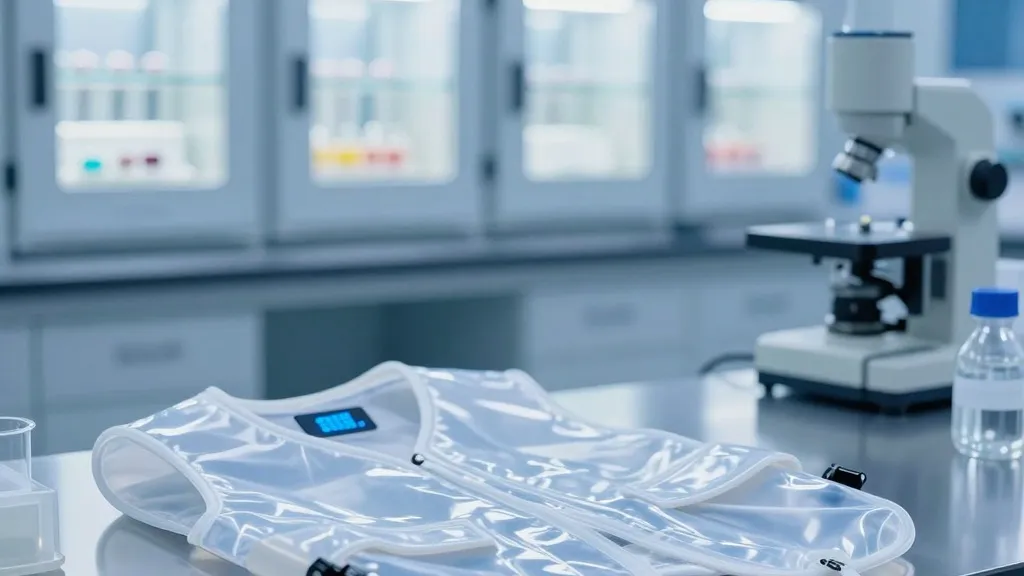
Anduril will play a crucial role by providing the hardware and software that accompany the dogs. This includes protective gear like vests and goggles equipped with data sensors. These tools will send real-time information to handlers, improving situational awareness. Lamm described these additions as enhancements on top of the dog, rather than inside it, designed to make the animals safer and more effective in the line of duty.
The timeline for deployment is already underway. Viagen, another company owned by Colossal, will partner with Warhound to clone the first batch of dogs. Births are expected in early 2027, with the animals ideally entering service within two years. Viagen’s technology boasts a high cloning success rate, which is already utilized in Colossal’s programs for protecting endangered species. The new dogs will be trained similarly to current military working dogs.
Warhound has not yet determined the final price for the animals, but it expects to sell to first responders, the Department of Defense, and police forces. The company has briefed various government groups on its plans. To address concerns about animal welfare, Warhound is working under the guidance of the American Humane Society to certify its training program. Retired dogs will be eligible for the Society’s reunification program, which helps find homes for veterans of the military workforce.
In a statement, the American Humane Society said it applauds Warhound and Colossal for inviting the organization to help ensure the animals are treated humanely. The company’s leadership, including Lamm and Luckey, views this project as a way to improve both the performance and the safety of the dogs and their human handlers. This collaboration marks a significant step in the intersection of biotechnology and defense logistics.
Source: TechCrunch · original report published