Chalmers Weighs Fuel Tax Cut Against Inflation Risk as Oil Nears US$113
Australia's treasurer faces a December budget update with lower growth forecasts, higher unemployment and petrol prices 60 cents a litre above February levels.
By Victoria Singh ·
Australia's Treasurer Jim Chalmers is weighing a temporary fuel excise cut against spending reductions as oil prices climb and Treasury prepares to lower its economic forecasts for the mid-year budget update in December. A cut to the excise would lower petrol prices but complicate the Reserve Bank's effort to contain inflation; spending cuts would aid the central bank but could push unemployment higher in an already weak economy.
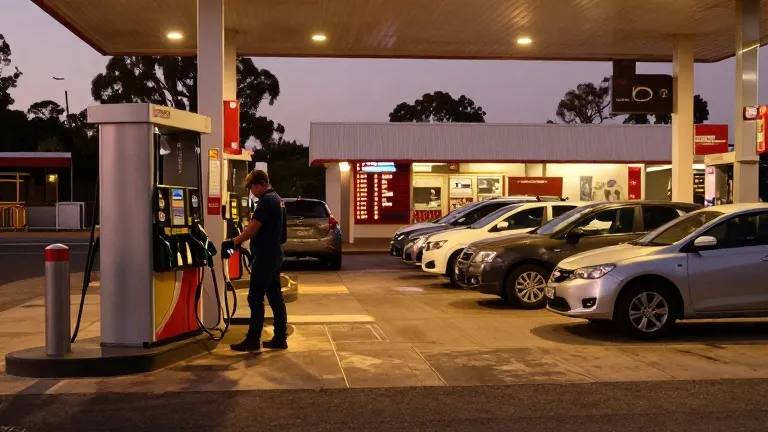
Brent crude rose overnight to US$113 a barrel, near the April peak of almost US$120. Petrol in Australia costs 60 cents more per litre than before the United States and Israel struck Iran, adding A$36 to a 60-litre fill and A$144 a month for a household refuelling weekly compared with February.
Treasury officials are trimming projections for growth and unemployment ahead of the December update, replacing the assessment Chalmers gave in a speech last week that conditions would be "a bit better" in a year. A fifth rate decision is due on 3 November.
The New York Times reported overnight that the United States and Israel have prepared plans to resume strikes on Iran after the American midterm elections. Westpac analysts model a scenario in which crude reaches US$150 a barrel, matching warnings the International Monetary Fund issued earlier this month about consequences for inflation and rates.
Reserve Bank deputy governor Andrew Hauser called the mix of high inflation, low growth and rising unemployment a "nightmare" for a central banker. Chalmers told Politico that "the pressures on people right now are very substantial and obviously that keeps me awake at night", and said much of the pressure originates outside Australia: "we're hostage as well to decisions taken in DC or Tehran or in Eastern Europe about two wars which are pushing up inflation around the world and weighing on growth around the world."
Wall Street fell sharply overnight as investors grew wary of debt levels among companies building artificial intelligence infrastructure. A sell-off in technology shares has intensified talk of a downturn in the sector, and community resistance to datacentre construction could slow the build-out.
Australia's own productivity growth has stalled, which lowers the speed at which the economy can grow before inflation rises. Chalmers has said some causes lie beyond the government's control, while others, such as cost-of-living measures and budget management, sit with Canberra.
Source: The Guardian