Apple iPod marks 25 years since its debut
The original device launched in 2001 as a compact player that stored a thousand songs on a single card-sized drive.
By Luana Foster ·
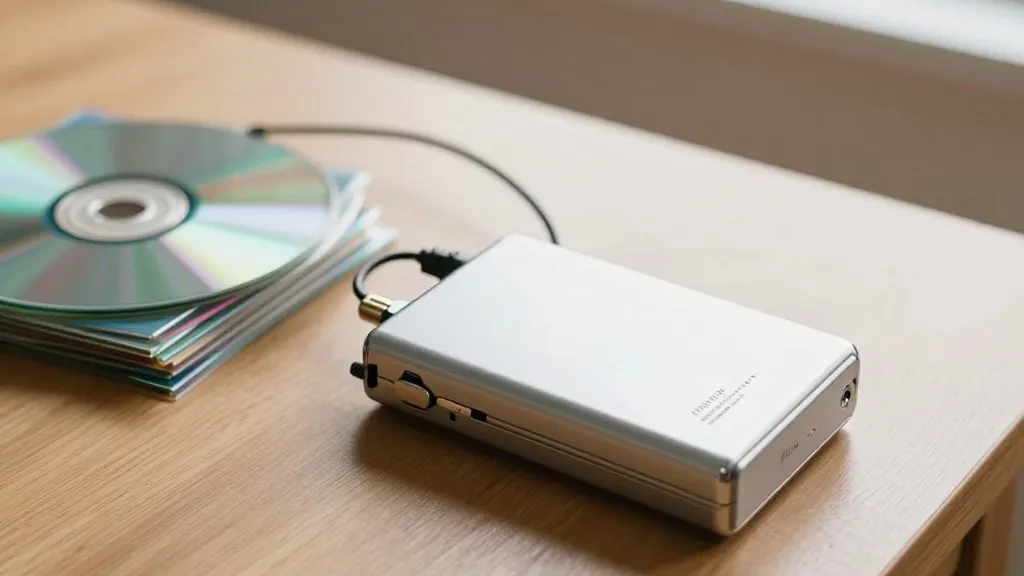
Apple is marking a significant milestone this week. The company celebrates the 25th anniversary of the original iPod. This device changed how people carried music. It arrived at a pivotal moment for the brand. Steve Jobs unveiled the player in October 2001. He teased it as a breakthrough device that was not a Mac. The launch price was set at 399 dollars. The core promise was simple. You could fit your entire music library in your pocket.
To understand the impact, look at the context. Apple had just revived its fortunes. The Mac OS X era was taking hold. Products like the iBook and iMac were selling well. This happened shortly after the dot-com bubble burst. Jobs believed the Mac could become the center of a digital lifestyle. It would act as a hub for cameras, DVD players, and music. He noted that while competitors like Sony and Creative had players, none had found the right recipe for digital music.
The hardware was the key differentiator. The first iPod used a hard drive from Toshiba. It was only 1.8 inches in diameter. The whole unit measured 2.4 by 4 by 0.78 inches. It weighed 6.5 ounces. Jobs compared its size to a standard deck of cards. It was lighter than most cell phones of that era. The 5-gigabyte capacity allowed for 1,000 songs. Specifically, this meant 1,000 pop songs at 160Kbps. For most users, that represented their whole collection.
Performance was a major selling point. The device used FireWire 400 for connections. Jobs claimed it was the first music player with this feature. Transferring a full CD took five to 10 seconds. USB connections of the time took about five minutes for the same task. Filling the entire 1,000-song library took roughly 10 minutes. A USB player would have taken five hours. The battery offered 10 hours of playback. It could recharge to 80 percent in one hour.
Software integration sealed the deal. iTunes 2 launched on the same day. It included MP3 CD burning and sync support. The Auto-Sync feature kept the pocket player identical to the library on the Mac. The design focused on ease of use. A piezoelectric clicker provided tactile feedback on the scroll wheel. This allowed for fast navigation by artist or playlist. The first song demoed on stage was Building a Mystery by Sarah McLachlan.
The device dominated the market for years. It remained a staple until smartphones matured. The first iPhone arrived in early 2007. Both products coexisted for over a decade. The iPod line eventually faded. The final model was the 7th-generation iPod Touch. It launched in May 2019. Apple left the line unmaintained for a while. It was officially discontinued in May 2022.
The legacy of the original player remains strong. It defined portable music for a generation. The combination of small size and large storage was a first. It set the stage for the mobile devices we use today. The 25-year mark highlights how quickly technology evolves. What was once a revolutionary gadget is now a historical artifact. Yet its influence on design and user experience is still visible.
Source: Tom's Hardware · original report published