Israel votes Tuesday as Iran debate peaks
Netanyahu’s AI image and a reported dispute with the military chief frame the final days before polls open.
By Luana Foster ·
Israelis prepare to cast ballots on Tuesday in an election where the primary contest is over trust in the country’s security leadership, with Iran serving as the central issue for both camps. Prime Minister Benjamin Netanyahu argues his experience is essential to prevent an Iranian attack that could cause a second Holocaust, while the opposition change bloc contends he can no longer be trusted to distinguish between national security needs and his own political survival.
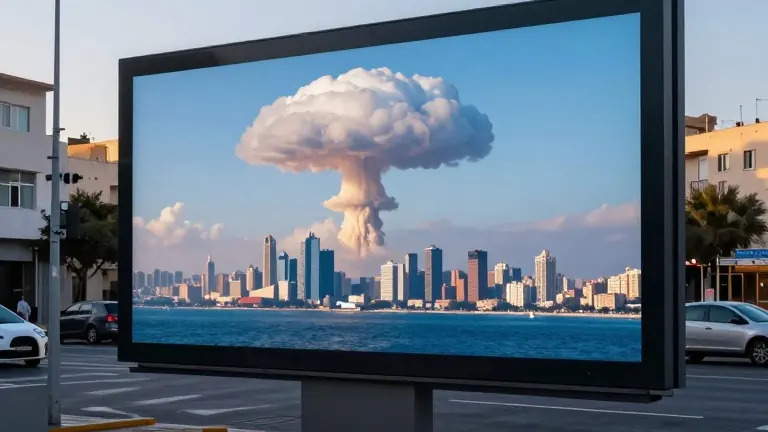
The campaign’s final week has been dominated by two specific events that intensified this debate. On Sunday, Netanyahu shared an AI-generated image of a nuclear explosion over Tel Aviv. The accompanying warning suggested that his defeat could leave Israel vulnerable to catastrophic damage, linking the nation’s survival directly to his continued tenure.
That message drew immediate scrutiny from rivals. They argued that Netanyahu was using a real threat to claim he is indispensable, asking voters to believe that decades of institutional building and alliances are insufficient without him. For his supporters, the visual served as a reinforcement of their belief that changing leaders during a crisis is dangerous.
On Sunday night, the N12 News site reported a confrontation between Netanyahu and Israel Defense Forces Chief of Staff Lt.-Gen. Eyal Zamir. The report stated that Zamir resisted an instruction for an undisclosed military operation that defense officials feared might trigger a wider conflict with Iran. Zamir reportedly sought further deliberations and signed documentation regarding the legal authorization for the action.
Netanyahu denied any tension with the military’s top brass over the Iran issue. However, the report gave the opposition a tool to challenge the prime minister’s position. It invited voters to consider whether even the military leadership trusts his judgment, or if he is overriding professional advice for political gain.
The credibility of the report is now a point of contention. Some view it as evidence that military professionals are restraining a prime minister whose political calculations are shaping security decisions. Others see it as an anonymously sourced story released at a strategically damaging time, similar to a previous, later contradicted report that Egyptian intelligence chief Abbas Kamel visited Israel to warn of an attack before October 7.
The shadow of October 7 complicates these assessments. The military and intelligence establishments failed in their assessments and preparations that day, leading many voters to question whether military judgment deserves automatic deference. Conversely, Netanyahu bore ultimate political responsibility for the country’s security that day, meaning the political leadership’s credibility was also shaken.
Voters must now decide which set of leaders to trust. Netanyahu says the danger is too great to replace him, while his opponents say it is too great to leave him in place. The election will determine which party leads the next government and how it will manage the Iranian threat.
Source: The Jerusalem Post